
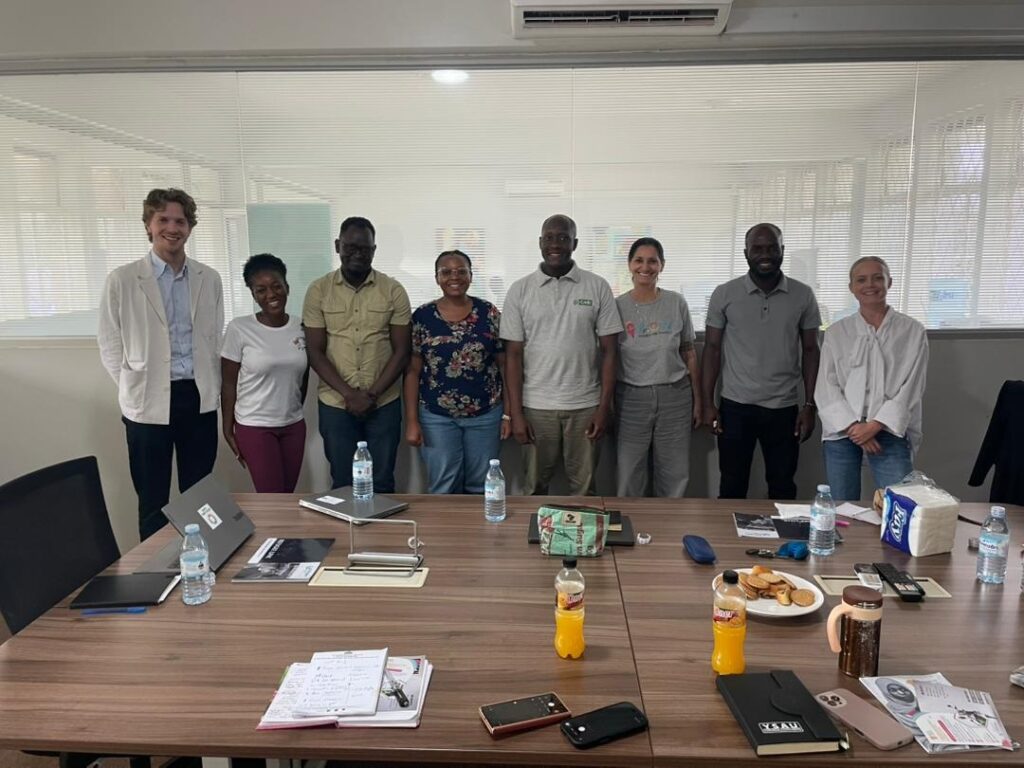
A partnership-focused meeting was held on 24 April at Motorcare Kitgum House, hosted and facilitated by GreenHub, bringing together Women Rising for Africa, LM International (a Swedish development organization), and RefugeeLINK to explore collaboration on skills development and livelihood opportunities for refugees and host communities.
The engagement focused on how different actors within the ecosystem can work together to strengthen access to training, economic inclusion, and employment pathways, particularly through practical and market-linked skilling programmes.
Women Rising for Africa presented its work in e-mobility and transport-based empowerment, with a strong emphasis on women and youth. The programme combines technical training, road safety, financial literacy, entrepreneurship, and access to electric mobility assets to support participants in transitioning into income-generating opportunities. A key focus is ensuring that training leads to direct livelihood outcomes rather than standalone learning.
GreenHub highlighted its role in facilitating training environments and ecosystem coordination, and expressed openness to working with RefugeeLINK as a referral partner. Through this collaboration, refugees would be able to access free training opportunities under Women Rising for Africa’s programmes, particularly in e-mobility and vocational skills development.
RefugeeLINK participated in the discussions, contributing insights on refugee inclusion, community mobilisation, and the importance of connecting vulnerable groups to structured training and livelihood pathways. The organisation emphasized its ongoing work in identifying, profiling, and preparing refugees for access to skills development and employment opportunities through trusted partner networks.
LM International expressed strong interest in the discussions and proposed a formal visit to the RefugeeLINK office to further explore areas of collaboration. Their interest aligns with broader efforts to strengthen inclusive livelihoods programming through partnerships that connect training, financial inclusion, and employment systems.
A central theme across the discussion was the need for stronger coordination between organisations, ensuring that each partner contributes its core strength—whether in mobilization, training delivery, or employment linkage—to create a more effective and accessible ecosystem for beneficiaries.
The meeting concluded with a shared commitment to continued engagement, with plans to explore structured referral pathways, expand access to free training opportunities for refugees, and deepen collaboration across all participating organizations